Village visits
Join guided trips to communities such as Bilbil, Riwo, Siar and beyond. Learn directly from local people about daily life, traditions and the stories that matter to them.
Living culture
Village visits, sing-sings, traditional crafts and festivals — experiences that connect you with the communities who call this coast home.
A province of living cultures
Madang is one of the most culturally diverse places on Earth. Roughly a quarter of Papua New Guinea's languages are spoken here. From mountain communities in the interior to island villages on the coast, each place has its own traditions, crafts and ceremonies. Your visit can support these communities when you travel with respect and curiosity.
Ways to connect
Save the ones that speak to you. Your choices stay in this browser so you can return to them later.
Join guided trips to communities such as Bilbil, Riwo, Siar and beyond. Learn directly from local people about daily life, traditions and the stories that matter to them.
Women of Bilbil still shape clay pots by hand using techniques passed down over generations. Watch, ask questions, and try it yourself on this hands-on cultural visit.
Feel the pulse of garamut slit drums and kundu hand drums. Witness elaborate costumes, traditional dances and songs that reflect regional identities and ancestral pride.
Combine snorkelling with short village stops. Learn about fisheries management, marine conservation and the way island communities live sustainably on the water.
Taste fresh seafood, root crops, coconut and communal meals in their natural settings. Buy from local producers at vibrant markets and support small businesses.
Visit the local museum and cultural centre for carved masks, shell ornaments, woven baskets and displays that tell the story of the region's remarkable artistic heritage.
Go deeper
Expand each section to learn more about festivals, traditional practices and how to travel with care.
The annual Madang Festival (usually August or September) brings together cultural groups from across the province. You'll see elaborate traditional dress, music, dance and craft displays. Sing-sings are held regularly throughout the year — ask your guide when performances are scheduled. Smaller celebrations happen around holidays and at seasonal events tied to fishing, planting and harvesting cycles.
Many communities continue skills that shape everyday life and ceremony: pottery, weaving, carving, shell-work and fishing. These crafts reflect deep knowledge of materials and techniques, often tied to storytelling and cultural identity. Visitors who engage respectfully and pay fairly support the continuation of these practices and help younger generations stay connected to their heritage.
Madang's cultural landscape is exceptionally varied. Inland mountain communities, coastal villages and island populations each have distinct languages, governance systems and customs. Many people speak Tok Pisin (the lingua franca of PNG) and English, but local languages remain central to identity. A small effort to learn a few words of greeting in the local language is deeply appreciated and opens doors to meaningful exchange.
Respectful travel protects culture and ensures communities benefit from tourism. Always book through licensed local operators. Ask permission before photographing people or ceremonies. Dress modestly, especially in villages. Support local artisans by buying directly when possible. Don't treat cultural sites like museums or performances—engage as a guest and listener. Learn something about where you're going and the people you'll meet. Your presence should leave no trace of harm and a memory of respect.
Places to begin
Scenic landmarks, nature reserves, islands and coastal stays — places that pair well with Madang's cultural experiences.
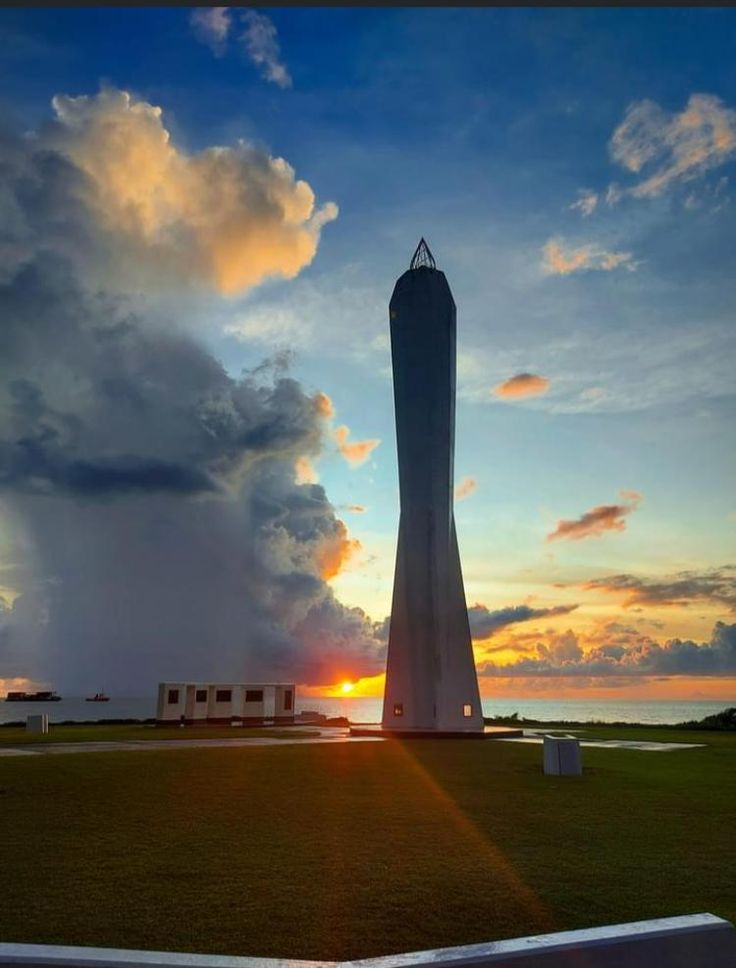
Historic WWII landmark with panoramic views over Madang Harbour and the surrounding islands. A short walk uphill rewarded with stunning coastal vistas.
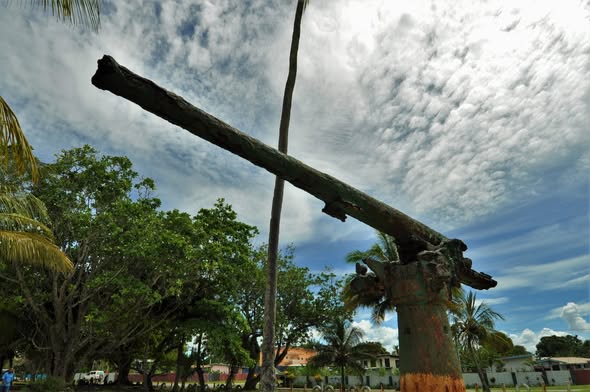
A coastal landmark along Coronation Drive, known for its World War II history and waterfront setting.
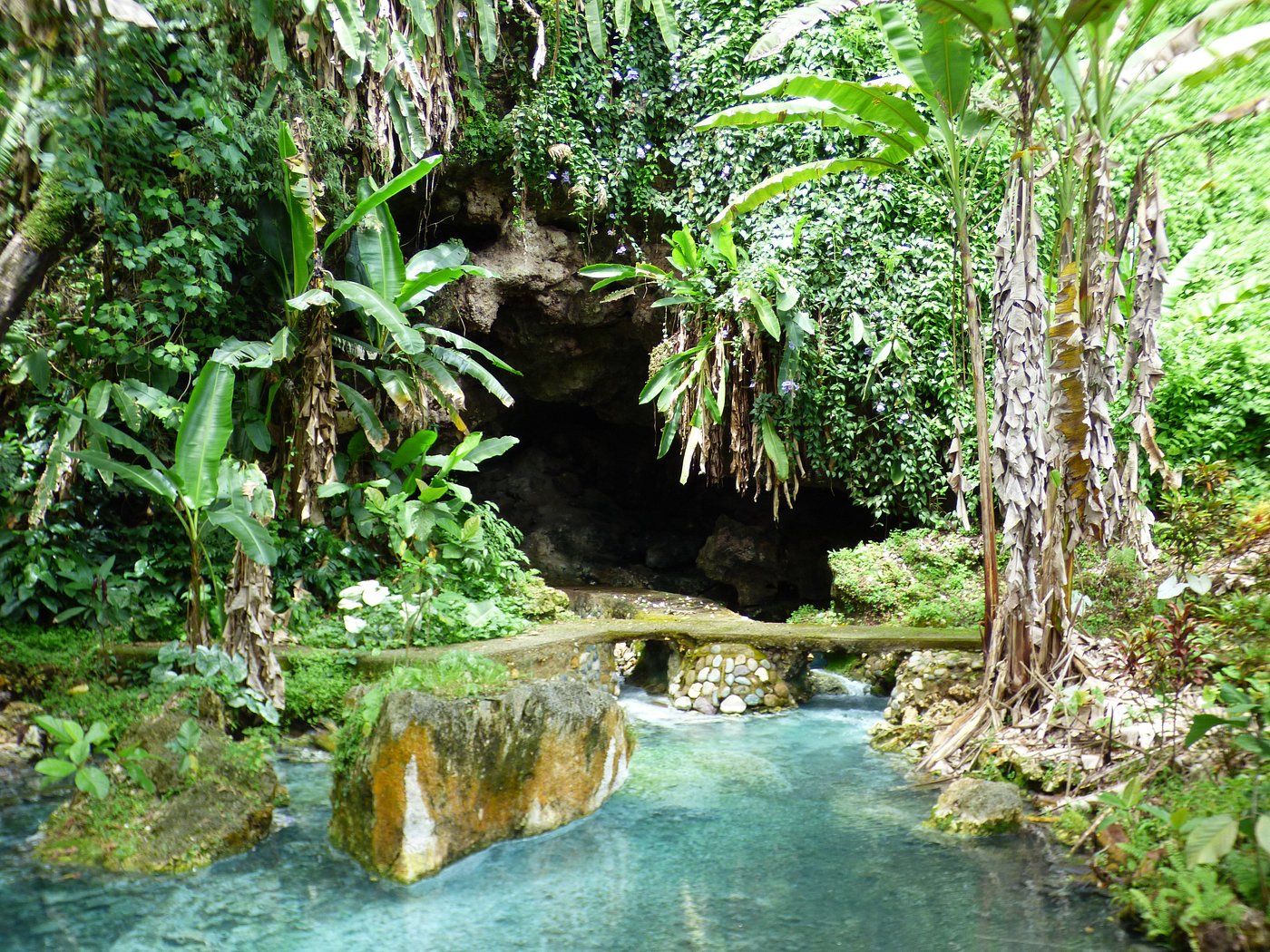
A pristine rainforest reserve with a dramatic sulphur stream. Home to diverse bird life and unique vegetation. Accessible via hiking trail.
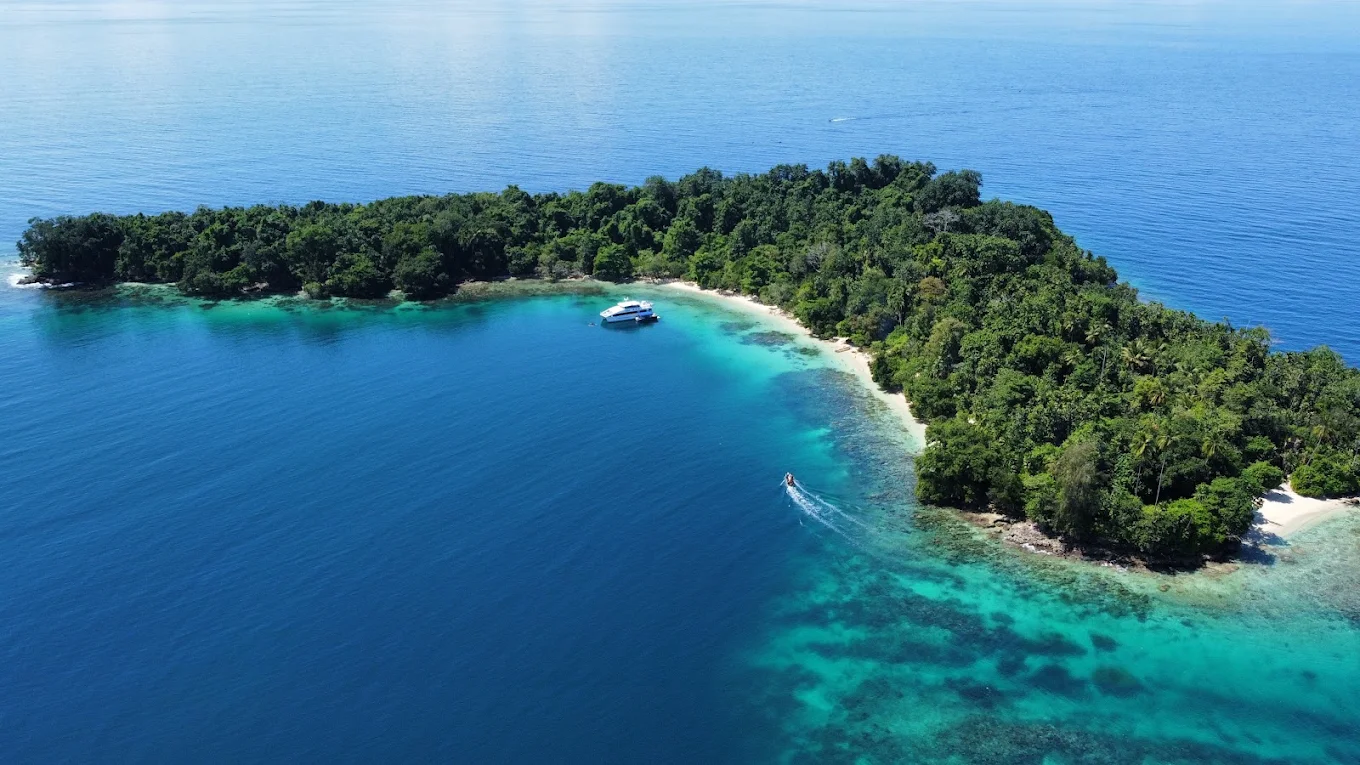
Twin islands reached by boat. Pristine coral reefs, clear water and white-sand beaches. Excellent for snorkelling and a day trip from Madang town.
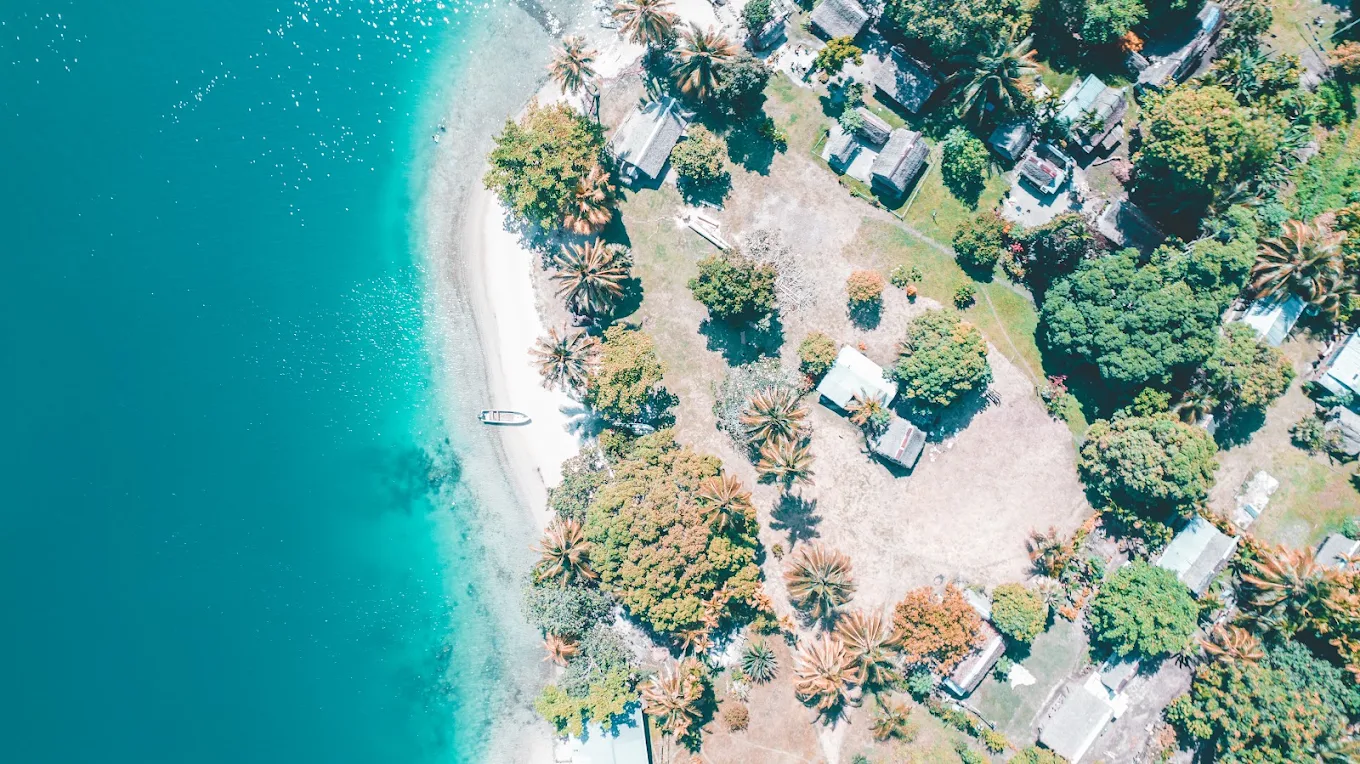
A tranquil local island with a small village. Offers an intimate glimpse of island life and opportunity to visit a cultural site with local guides.
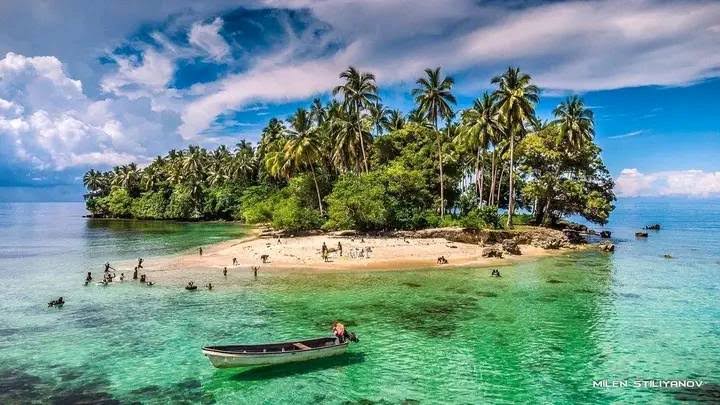
A hidden jewel with stunning turquoise water and powder-soft sand. Great for swimming, snorkelling and picnicking. Accessible from nearby Riwo village.
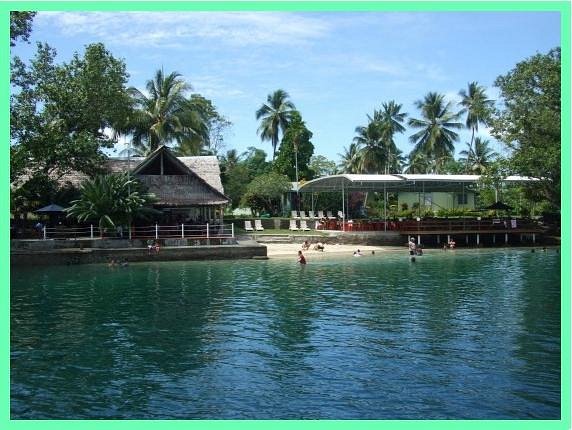
A beachfront eco-resort and cultural hub on the north coast. Offers accommodation, restaurant, and can arrange guided experiences and tours.
Travel with care
A few simple habits make a big difference for the people who welcome you.
Choose operators who share benefits fairly and employ local guides and performers.
A smile and a clear request go a long way. Some people or ceremonies prefer not to be photographed.
Take all rubbish with you and minimise single-use plastics on village and island visits.