The problem
Information about Madang is scattered across outdated pages, social posts and operator sites. First-time visitors need clearer answers on how to arrive, what to do, how to travel responsibly and where local experiences really fit.
Who we are
A practical, respectful guide to Papua New Guinea’s northern coast — its reefs, islands, living cultures and the communities that make every visit meaningful.
Project insight
Discover Madang responds to a clear opportunity: travellers interested in diving, islands and culture often struggle to find coherent, trustworthy information about Madang Province in one place.
Information about Madang is scattered across outdated pages, social posts and operator sites. First-time visitors need clearer answers on how to arrive, what to do, how to travel responsibly and where local experiences really fit.
Our purpose
Madang is often described as one of the most beautiful places in the Pacific — and one of the least visited. This site helps travellers find clear, honest information about diving, islands, villages and the communities that shape the region.
We are not a booking engine. We are a guide: curated attractions, suggested itineraries, cultural context and contact paths so you can connect with local operators and communities on your own terms.
How we work
Three principles shape every page and recommendation on Discover Madang.
Madang’s strength is its communities and environments. We prioritise accurate cultural context, responsible travel advice and language that treats hosts as partners, not backdrop.
Travel to Madang benefits from realistic expectations. We focus on essentials — getting here, getting around, when to go and how to plan — so decisions are easier and less stressful.
Wherever possible we point toward local operators, craft makers, village hosts and community-based experiences so benefits stay closer to the people who share their home.
The place
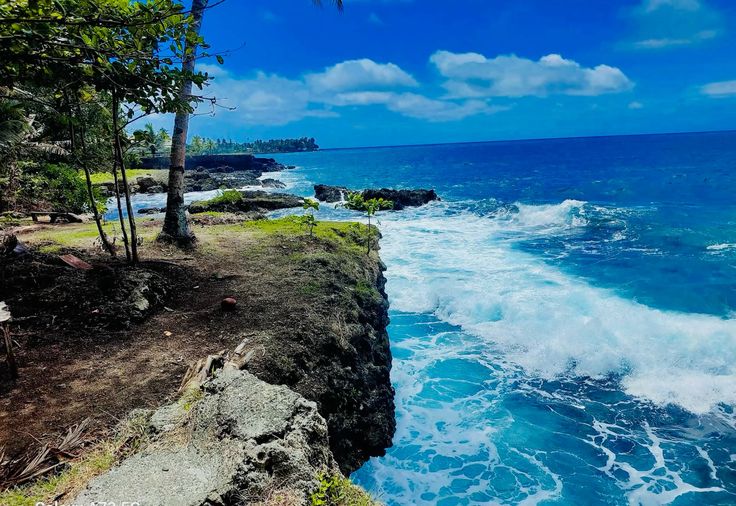
Madang sits on Papua New Guinea’s north coast, facing the Bismarck Sea. It is known for clear water, coral reefs and wrecks, offshore islands, rainforest and a remarkable density of languages and traditions.
From mountain communities in the highlands to coastal and island villages, daily life still includes fishing, gardening, craft and ceremony. Visitors who arrive with time, curiosity and respect can experience a place shaped by both place and practice.
On this site
Each section supports a different stage of planning or discovery.
Diving sites, islands, history and nature — with filters, saved favourites and short descriptions to help you choose.
Village visits, crafts, sing-sings, festivals and responsible tourism guidelines so cultural travel is informed and respectful.
Essentials for arrival, timing, transport, accommodation and sample itineraries for a long weekend or a slower week.
A substantial enquiry form with HTML and JavaScript validation and clear success or error feedback.
Common questions
Expand a question for a short answer. Only one panel opens at a time for a clearer reading experience.
Independent travellers, divers, small groups and anyone planning a first or return visit to Madang who wants practical information and respectful cultural context in one place.
No. Discover Madang is an information and planning guide. Use the Contact page to enquire, then confirm flights, stays and activities directly with local operators and providers.
We include cultural guidelines, advice on photography and dress in villages, and encouragement to use local guides and buy from local makers. The Culture & Experiences page is designed to help travellers approach culture with care.
Yes. Discover Madang is the major practical project for IS229 Web Design. The team builds from requirements and audience insight through semantic HTML, responsive CSS and accessible interactions.
This project
The site demonstrates multi-page semantic HTML5, a shared CSS design system (Flexbox and Grid), responsive layouts, JavaScript interactions (menu, favourites with localStorage, filters and form validation) and accessible design choices.
Pages and features are divided among group members. Each person is responsible for structure, styling, behaviour, responsive behaviour and testing of their assigned work, with commits and collaboration tracked through the shared repository.
Ready when you are
Browse attractions, learn about culture or begin shaping a practical itinerary.
View attractions